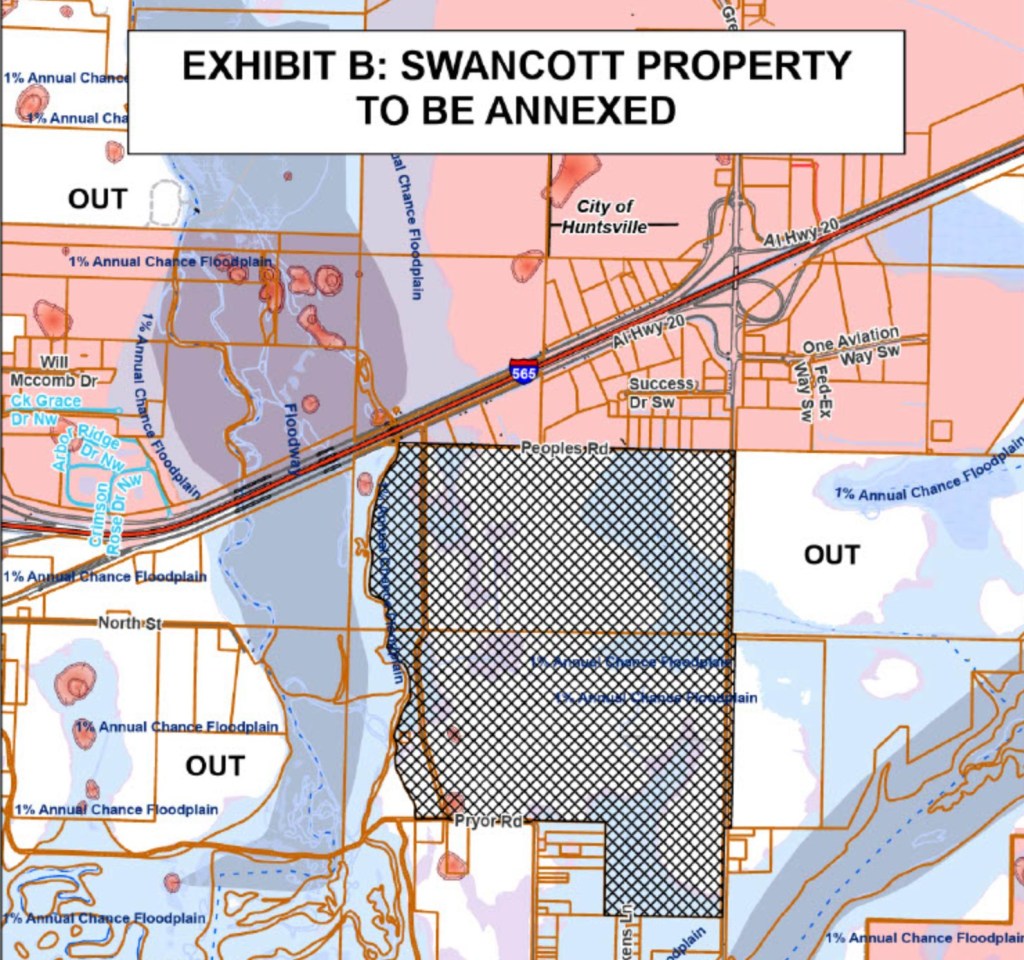
The city continues to annex more and more land every few months. This outward expansion is not sustainable and needs to slow down.
While its reasonable to annex established neighborhoods that are currently a messy patchwork of boundaries, the outward expansion into empty fields or wooded areas should be reconsidered. Huntsville has no shortage of undeveloped and under-developed land.
Costly annexations
While annexing land can bring in additional revenue, sprawling low density single family homes on the edge of the city limits are much more likely to cost more than they bring in in tax revenue.
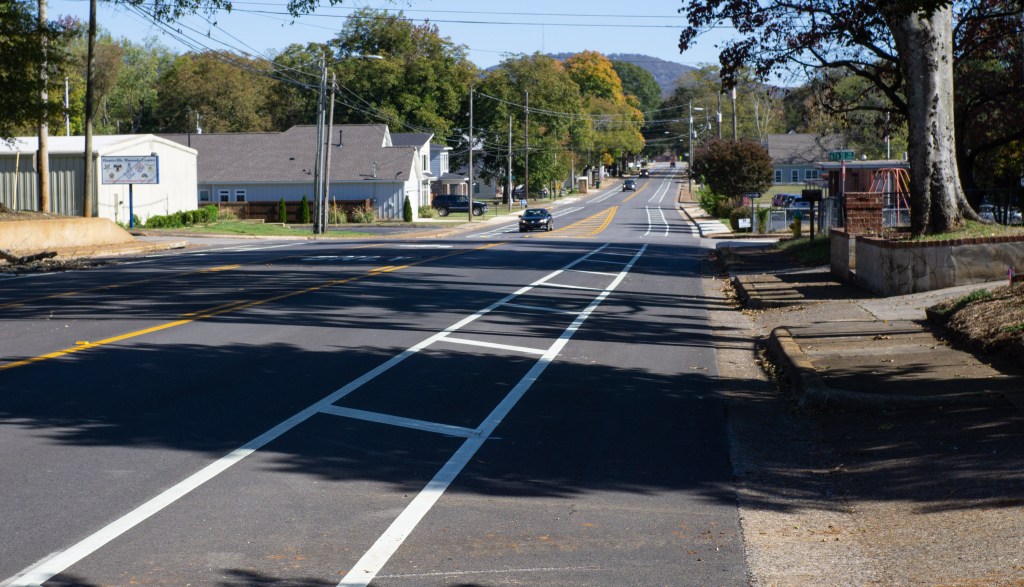
Looking at the low density housing along little cove road, where new land was annexed to build even more low density housing, we can see ~100 houses require ~1 mile of road to be built and maintained. In addition to a mile of road, you need a mile of water lines, sewage lines, and electrical lines to build and maintain. On top of that, you have to consider trash pickup. The further away from the landfill the houses are, the more gas and more time it takes to pickup trash.
These are just the direct costs. Next you have to consider indirect costs.
Being zoned exclusively for low density residential housing, the neighborhood is entire car dependent. This means bus service is less effective here and everyone will be forced to drive. This will increase traffic on roads. Increased traffic means costly road widening projects and slower response speeds of city vehicles, such as police, ambulances, fire trucks, trash, and other services.
Sustainable upward growth
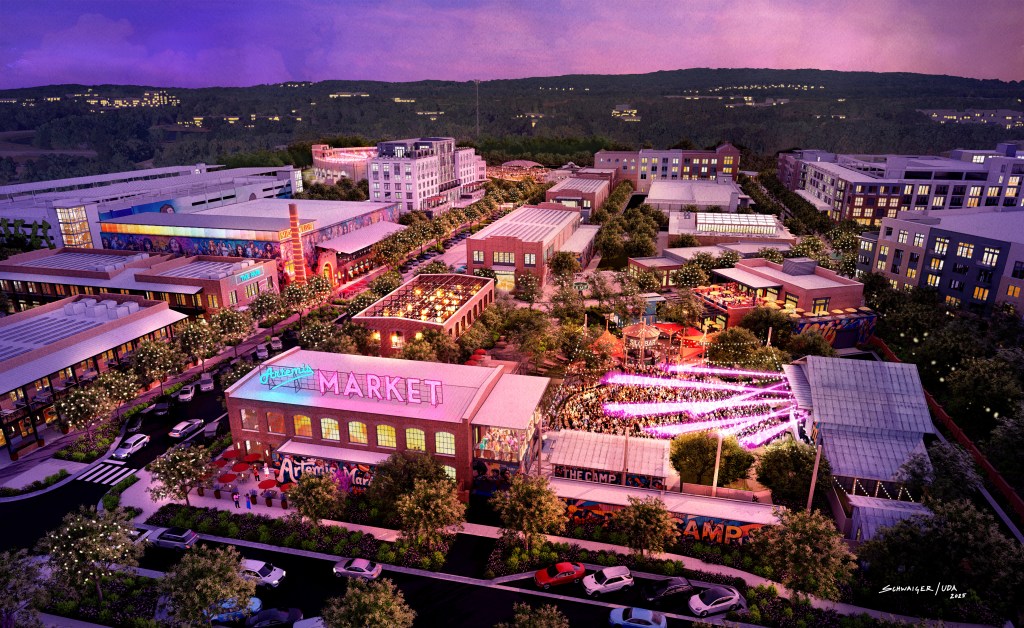
Lets compare these costs to another development, Stella at Five Points, right outside of downtown.
Stella is integrated into an existing neighborhood, so no new roads or pipes have to be installed or maintained. Maintenance costs would be the same whether this development was there or if the property was left vacant.
Even if new utilities were installed, Stella is only 1/8th mile long and hosts over 350 homes. Thats 1/8th the amount of utilities to maintain while also having over 3x the tax base.
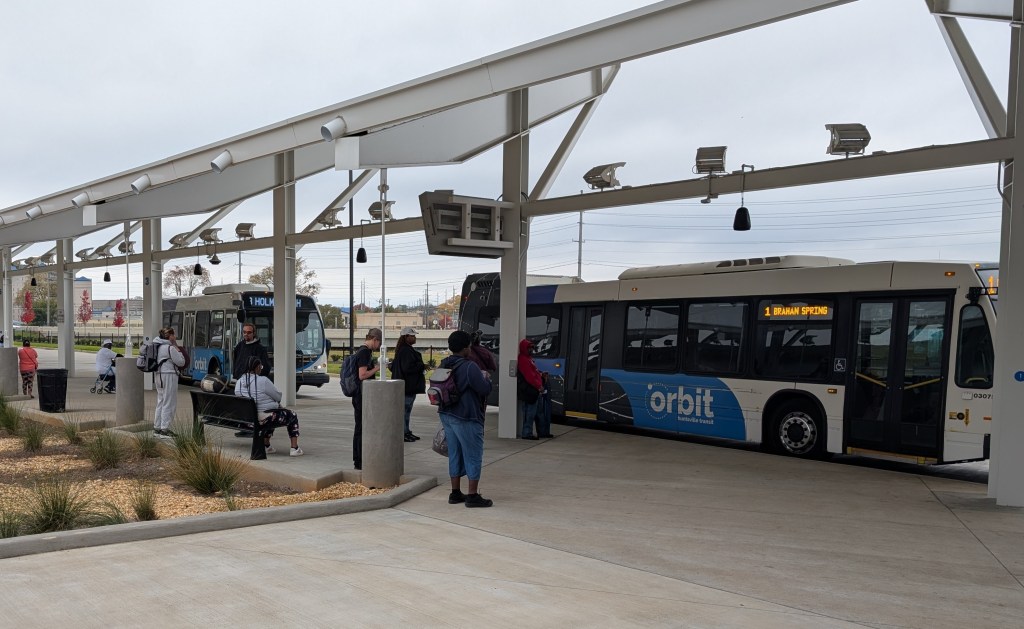
With this property being in a high density area, people have the option of walking, biking, or taking the bus to where they need to go. This mean very little increase in traffic in the area.
This property incurs little to none of the additional direct or indirect costs that the little cove housing development incur.
Annexing more and more land just to build low density housing is not sustainable. It makes little sense in adding millions of dollars of liabilities by expanding outward when we can build upwards for little cost. Some developers may be willing to pay some of these costs to build out utilities today, but what happens in the following decades when these utilities need repairs and replacement?
This isn’t say low density building has to stop, but its to say we already have enough land within the city limits to build more low, medium, and high density housing. If a low density housing development wants to be built outside the city limits, it should stay outside the city limits. These are not extra liabilities a city should want to take on.
Sustainable growth means creating developments that will return more revenue than they cost. It means, when annexing land, studying the revenue and costs over a time period of 30 years or more and ensuring these new developments will be a net positive over time, not a drain on resources.
Learn more
This type of growth is referred to by Strong Towns as a growth ponzi scheme. You can read about it here https://www.strongtowns.org/journal/2020-5-14-americas-growth-ponzi-scheme-md2020
Or watch this youtube video (I highly recommend) here https://youtu.be/7IsMeKl-Sv0?list=PLJp5q-R0lZ0_FCUbeVWK6OGLN69ehUTVa&t=5
Or the entire series here https://www.youtube.com/playlist?list=PLJp5q-R0lZ0_FCUbeVWK6OGLN69ehUTVa
 Strong Towns Huntsville
Leave a comment