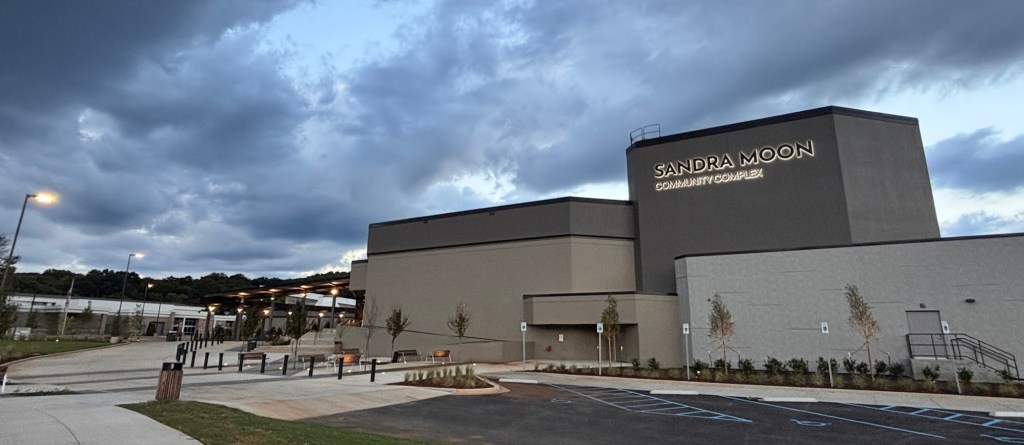
This month, the Sandra Moon Community Complex was unveiled to the public after nearly a decade of planning and construction. The site was formerly home to Grissom High School, until the school was relocated in 2017 to a newly constructed campus on the west side of Memorial Parkway. Since then, the old Grissom site has seen massive renovations, including the construction of performance arts spaces, an event hall, multimedia facilities, recreational fields, renewed gymnasiums, and the South Huntsville library. There’s something for absolutely everyone at “The Moon”.
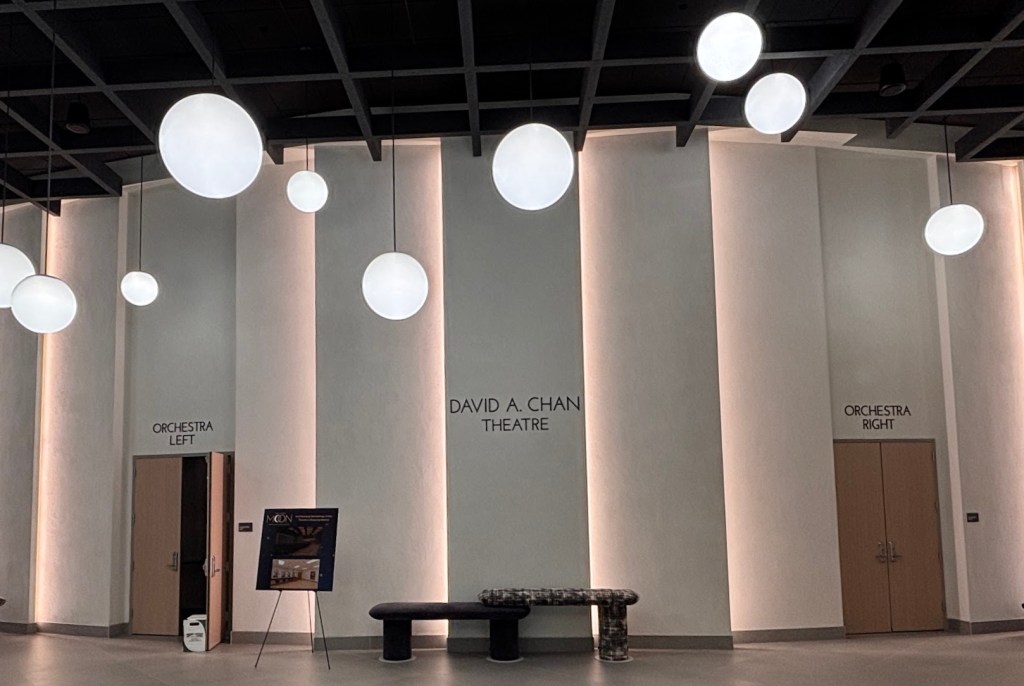
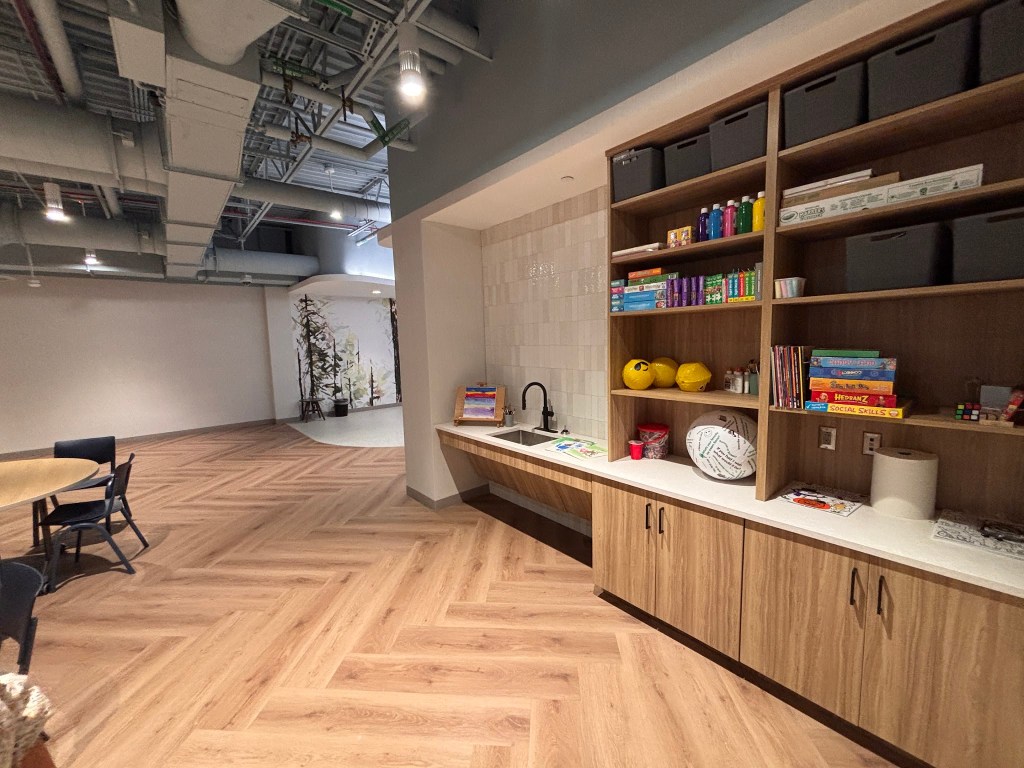
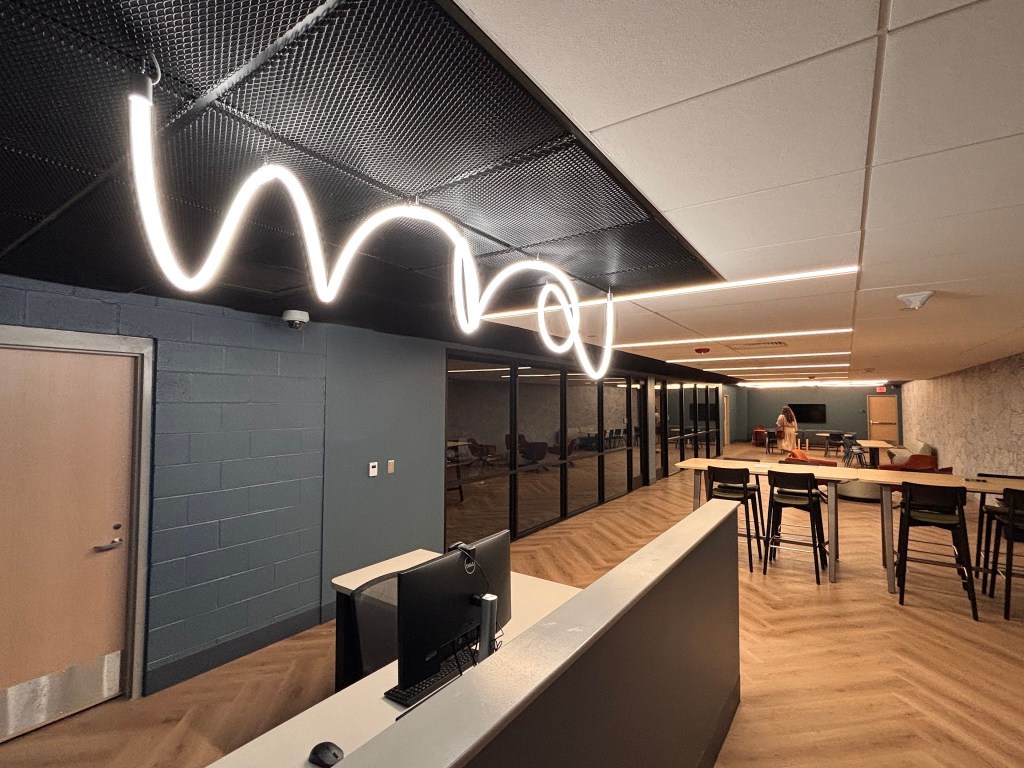
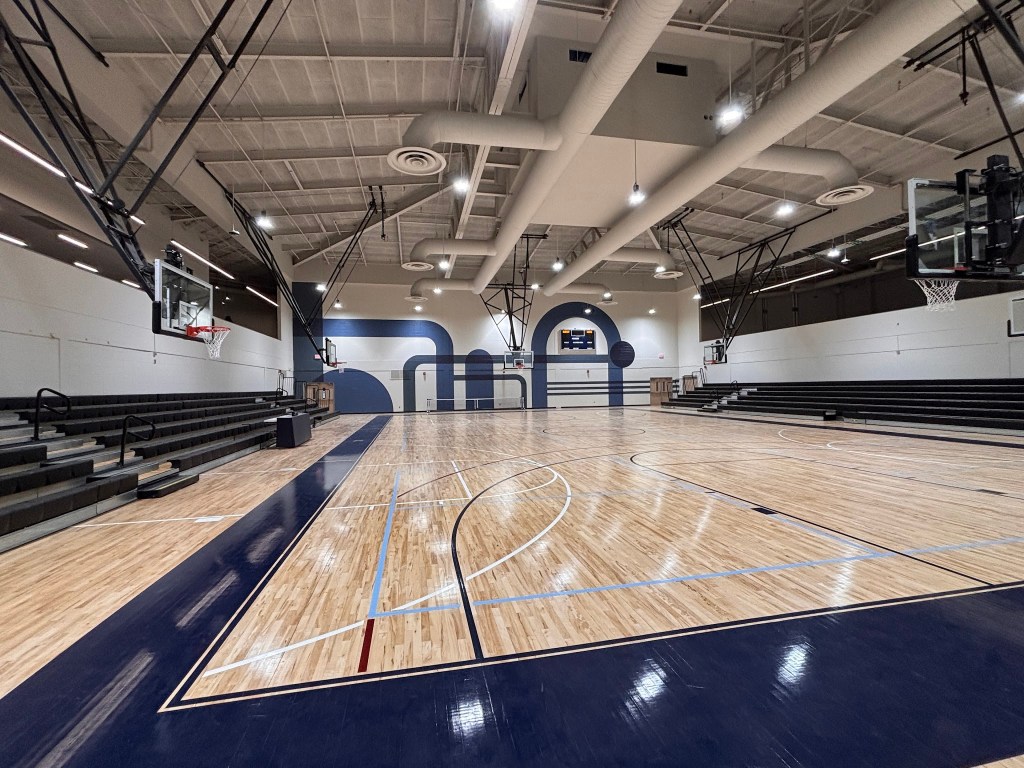
The facility is a gleaming new example of adaptive reuse in the Huntsville area, standing on the shoulders of other area adaptive reuse projects like Lincoln Mill, Stovehouse, and Campus 805. The performances, athletics, ideas, and interactions that will happen here are sure to impact generations to come. This facility has been made for it. But if done right, it can also be a boon for business and grow community connection in South Huntsville.
As we celebrate this noteworthy opening, it’s worth reflecting on the intention and commitments made in the construction of the SMCC. The city of Huntsville touted the project as a “town center” for the area. City council member for the area, Jennie Robinson, said it would become “a downtown for South Huntsville”. The city’s master planning website, Big Picture Huntsville, says that the campus is meant to be the an intentional foray into neighborhood revival, and seeks to use the format in other neighborhoods:
“The project serves as a template for the sort of creative place-making approach that could occur throughout the city. By developing the site as an amenity and a destination, it spurs reinvestment in residential neighborhoods around it, and redevelopment of commercial properties nearby. This is a key strategy for revitalizing older sections of the city, and improving the general quality of life at the same time.”
Big Picture Huntsville also includes a three-pronged vision for the complex:
- The former campus on Bailey Cove Road has redeveloped a “neighborhood node” that hosts community events and serves as a mini-Downtown for the surrounding neighborhoods.
- The activities on the repurposed campus have catalyzed reinvestment in adjacent commercial and residential properties, and improved property values.
- A localized arts district has taken shape around the repurposed theater.
These are excellent goals to have, and as beautiful as the new facility is, its opening should be seen as only the beginning—its effect on the area is only just now starting. A multitude of smaller and more intentional policy adjustments and projects surrounding Sandra Moon is now what’s required to make these promises a reality and see it used to its fullest potential. It is the responsibility of the city of Huntsville to deliver on its promises, as well as on the citizens of Huntsville to hold them accountable.
If the success of a community center is in how many users frequent it, then making it as easy as possible to access and giving people as many reasons to be at or near the facility are the keys to enabling success. Below is a list of concrete measures that would help maximize use and fully realize the area’s ascension as a true downtown for South Huntsville. Specifically, these look at precedents and patterns already within Huntsville and how they could be put to work for the area immediately surrounding The Moon.
Safe, Deliberate, and Accessible Pedestrian Connection
- Big Picture Huntsville lists “Mandate Bike and pedestrian connectivity from surrounding developments, including multi-use paths and wider-than-standard sidewalks” as a still unfinished task for the SMCC.
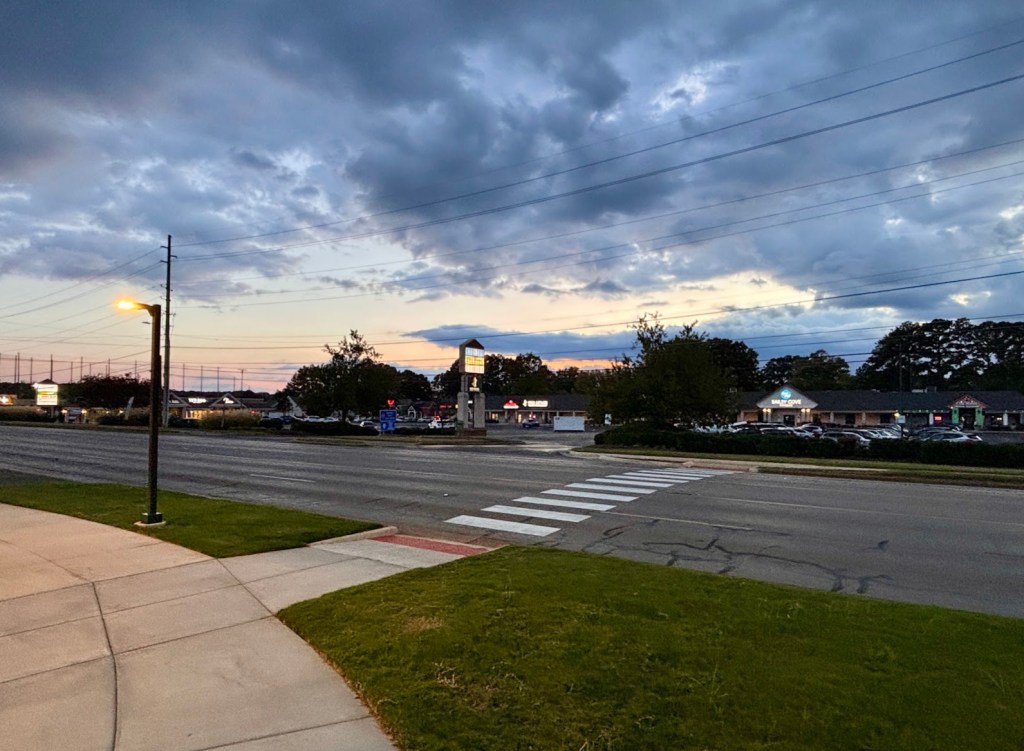
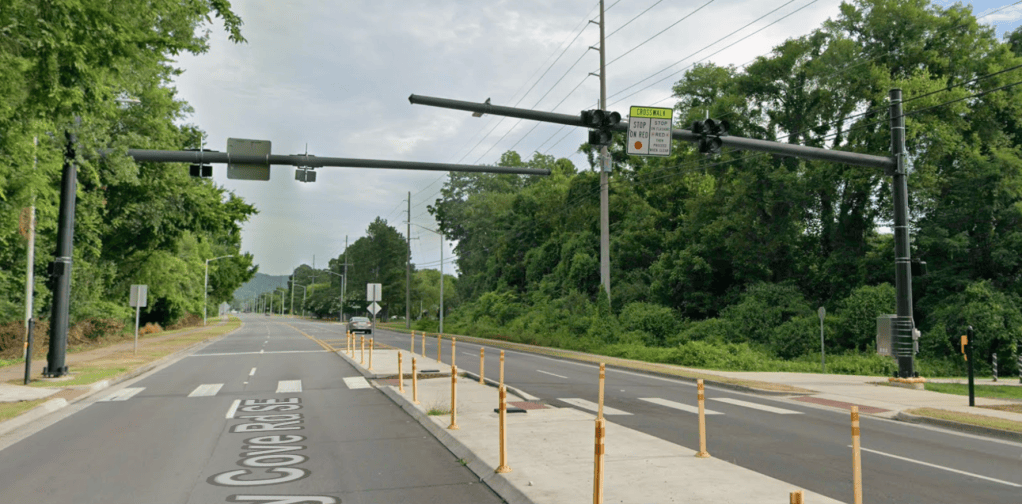
- Connecting SMCC to the Willowbrook Square Shopping center across the street is an absolute must. The current crosswalk across Bailey Cove Road, shown above, is extremely inadequate. The west side of the road is unlit, and the crossing itself is only paint and a sign. A very good first improvement would be to signalize and build a pedestrian island at this crosswalk to Willowbrook Square, much like the Aldridge Creek Greenway crossing, further south on Bailey Cove Rd.
- Further connections via greenway to nearby hotspots like the Bailey Cove Farmers Market and Valley Bend shopping center are also necessary. Ideally, these connections should be completed via the successful implementation of the Bailey Cove and Four Mile Post Road Multi-Use path extensions, with Transportation Alternatives Program (TAP) funding. There is however no construction timeline for this project.
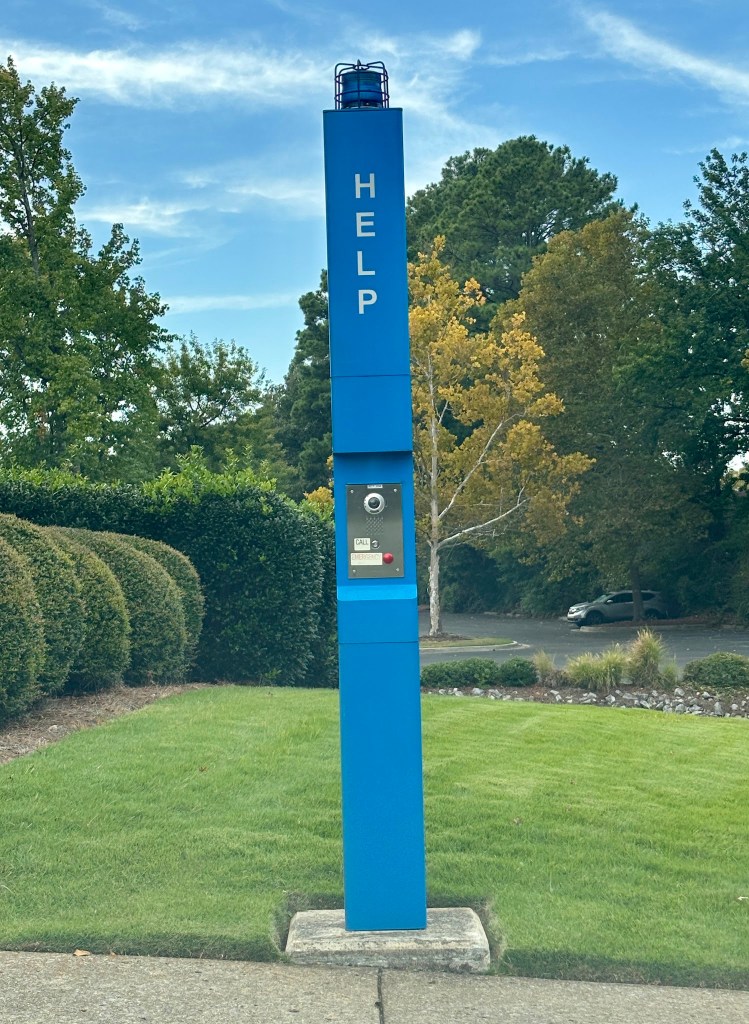
- Additionally, the effectiveness of existing greenways radiating out from SMCC could be expanded with new pathway connections to neighborhoods and wayfinding signage, as well as lighting, bollards, and emergency telephone stations for improved safety. Perhaps even permanent sculptures or educational exhibits, partnering with Arts Huntsville or the Land Trust or Early Works Museum.
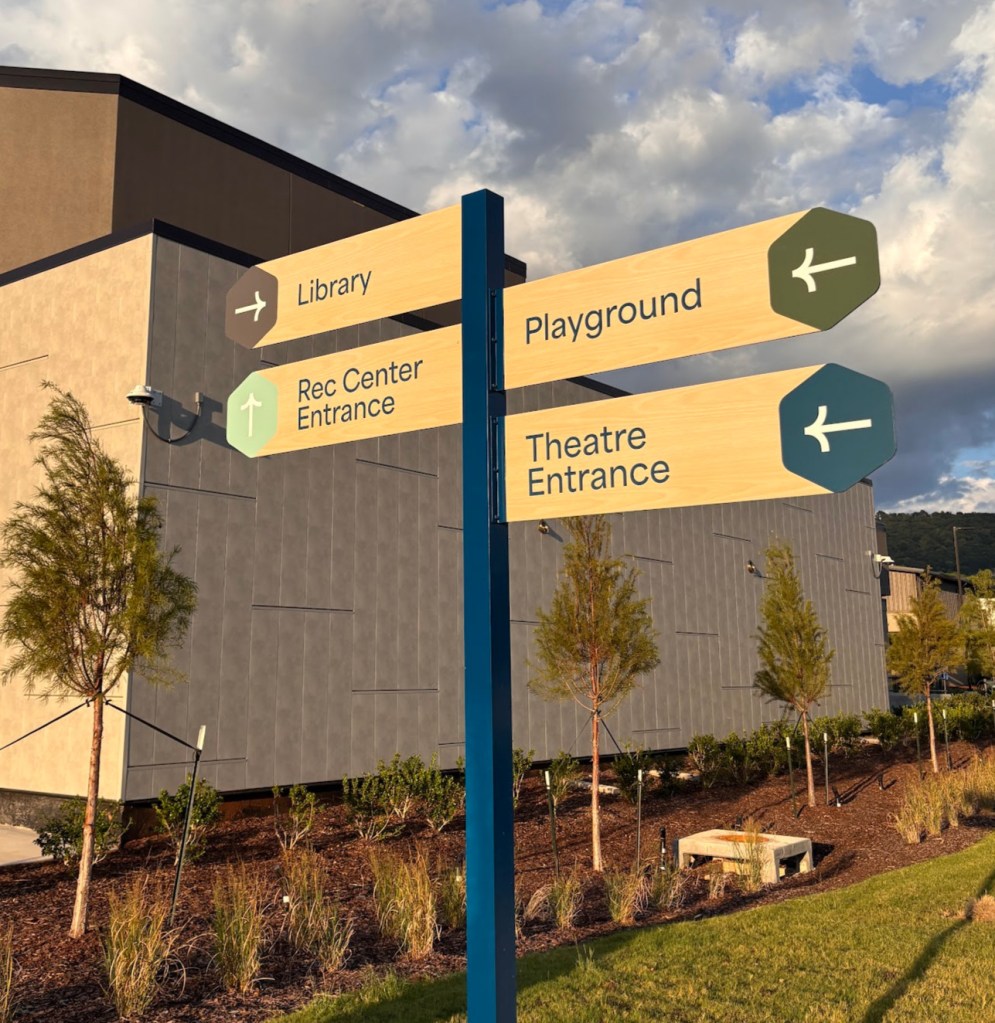
An example of wayfinding signage outside of the SMCC. Wouldn’t it be great to have signs like this along the city’s greenways and bike routes too?
An example of an emergency telephone station. Found at the Blue Cross Blue Shield facility on Wynn Drive.
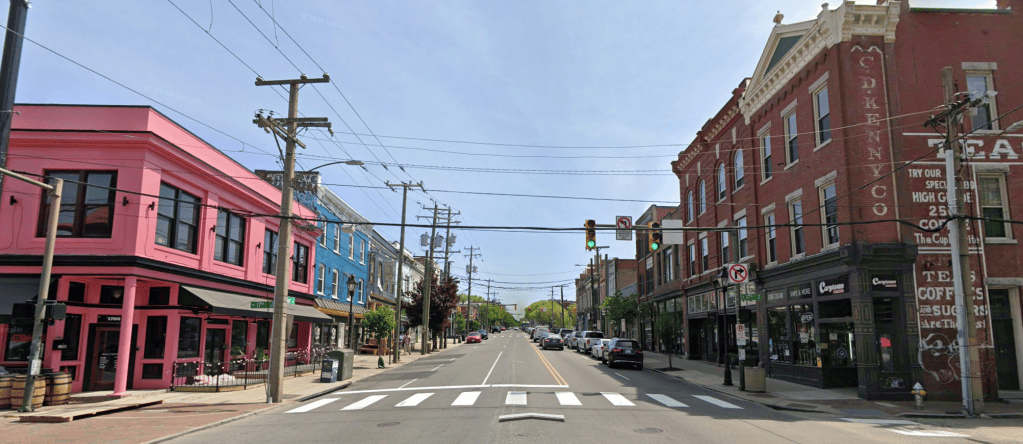
Zoning changes to encourage “gentle density” in the surrounding areas
- “Gentle density”, as seen in the below image from Richmond, VA is a built environment happy medium of sorts. Described as “not too dense, not too sprawling”, it usually takes the form of two-to-three story buildings in varying uses from purely residential to commercial, often employing “live above” storefronts, where commercial store owners can live in the apartment above. Key to this development style are walkable sidewalks. This is a much more comfortable and appropriate development style for South Huntsville than massive marquee projects around town, such as Front Row Huntsville.
- Businesses thrive when there are customers around, either because they live close by or they are visiting another business adjacent. Grouping both residences and small businesses makes good business sense.
- This type of development already exists around Huntsville, in areas of varying age and scale–Downtown and portions of the Village of Providence being prime examples.
- Given how well served Bailey Cove Rd is with Huntsville Transit’s Route 56, concerns about a lack of parking are already (hypothetically) mitigated.
- Should the city indeed wish for a “localized arts district” around The Moon, housing that is appropriately priced and sized for artists is a must. Allowing for the building of and/or conversion to small-scale mixed and multi-family use would perhaps be the foremost policy tweak that would make this dream a reality.
Greenway-Oriented Development
- The extent of the greenway system in South Huntsville is arguably one of its greatest assets, and is ripe for further community utilization.
- This could be accomplished on a larger scale by adjusting zoning for greenway-adjacent properties, or at a smaller one incentivizing and nurturing businesses that want to expand their reach through immediate access to Aldridge Creek Greenway. This could take the form of small projects like subsidizing bike racks for businesses or implementing ADA accessible ramps directly from the greenway to storefronts. The city has a similar small-scale improvement subsidization program with its Mill Creek Facade Improvement Grant Program that could make for a good template.
- Having smaller bike and pedestrian-accessible “way stations” dotted along the greenway would make longer trips feasible for more people.
- Presently, the city is exploring greenway-oriented businesses in the North Huntsville Beltline project. With that being said, an appropriate scale for the less urban South Huntsville would need to be employed.
Traffic calming measures along Bailey Cove road to encourage safe access to adjacent businesses and homes.
- Bailey Cove Road is notorious for speeding. Tragically, in August of 2025, a 13 year old Mountain Gap Middle student, Kal Fox, was struck and killed while legally crossing on a bicycle at Green Mountain Road.
- Immediate responses called for a decrease in the speed limit, but these measures never materialized. There were additional calls for increased enforcement by police, but having an officer parked to deter speeding at all hours of the day is very costly, and ultimately a poor use of an officer’s time when more cost effective solutions exist.
- Design-based solutions such as street trees or neck-downs, as well as speed trap cameras in the areas surrounding schools and parks, would aid in both slowing drivers and in enforcement, hopefully lowering the occurrence of similar tragedies.
Increased Transit Accessibility via improved stop amenities
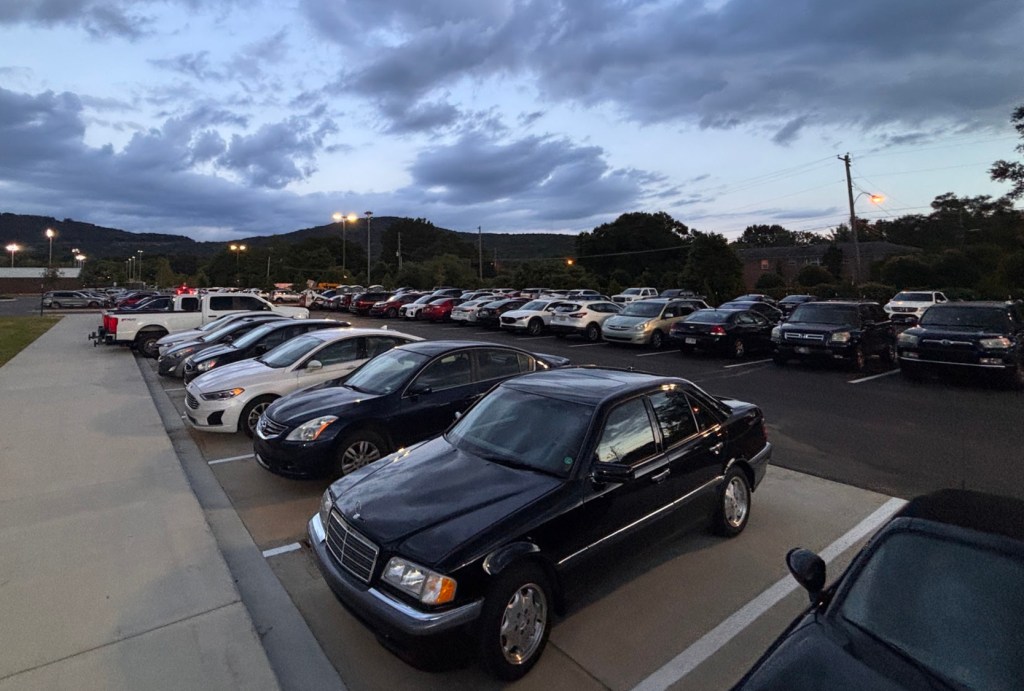
- Upon visiting, the Southern parking lot was very close to full, and that was on a regular weeknight with no events happening in the main community center building, before the center is even fully functional. In the very near future, parking is going to become a very real problem when there are concurrent events happening at the Moon.That being said, utilization of Huntsville Transit to reach the complex needs to be fostered and encouraged to maximize accessibility and usage.
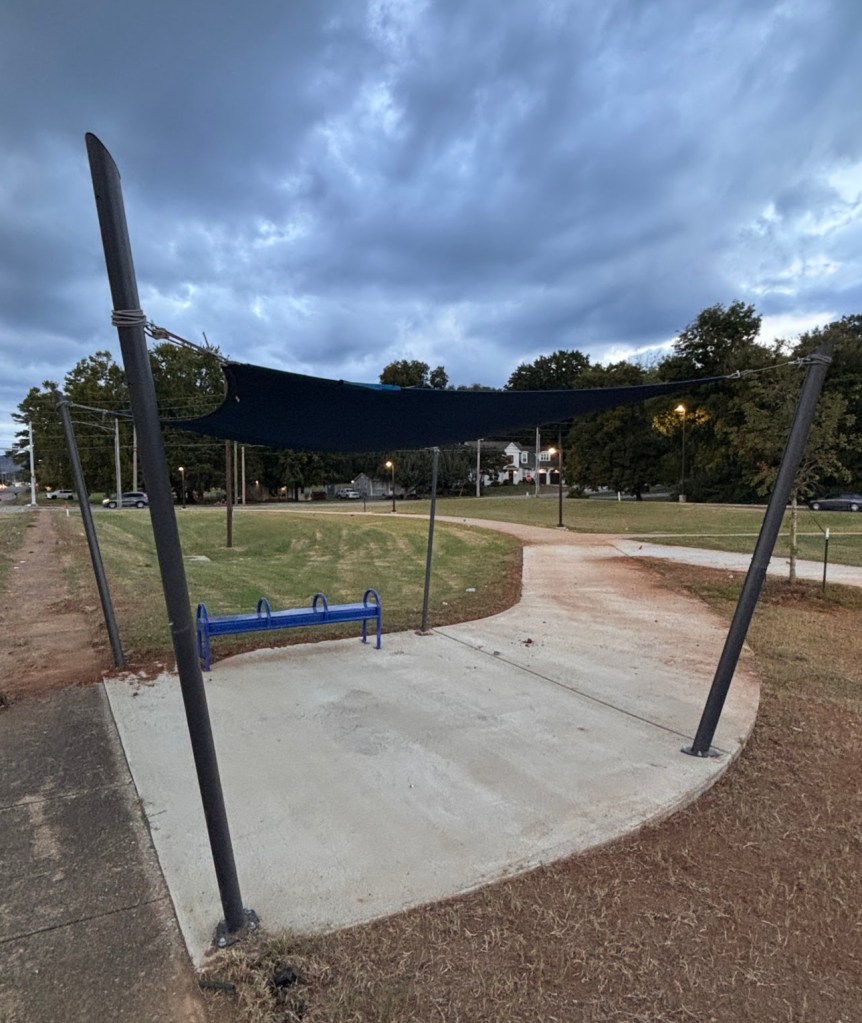
- The bus stop amenities at Sandra Moon/South Huntsville Library are already an improvement over most other bus stops in town. There was however a good amount of unused space at the stop. Perhaps a trash can would be a welcomed addition, if not a second bench or a light.
There is palpable new energy in South Huntsville with the opening of such a beautiful and thoughtfully done facility as the Sandra Moon Community Complex. It’s clear that the ambitions of the city are for South Huntsville to become a more successful, accessible, and community-oriented corner of town. But now that the ribbon is cut and the harder work of growing community is upon us, will we do what it takes to truly capitalize on such a powerful catalyst as we’ve been given?




Leave a comment