The BRT input meeting was yesterday, and I have concerns.
Lets start from the beginning with the release of the Huntsville High-Capacity Transit study in 2022.
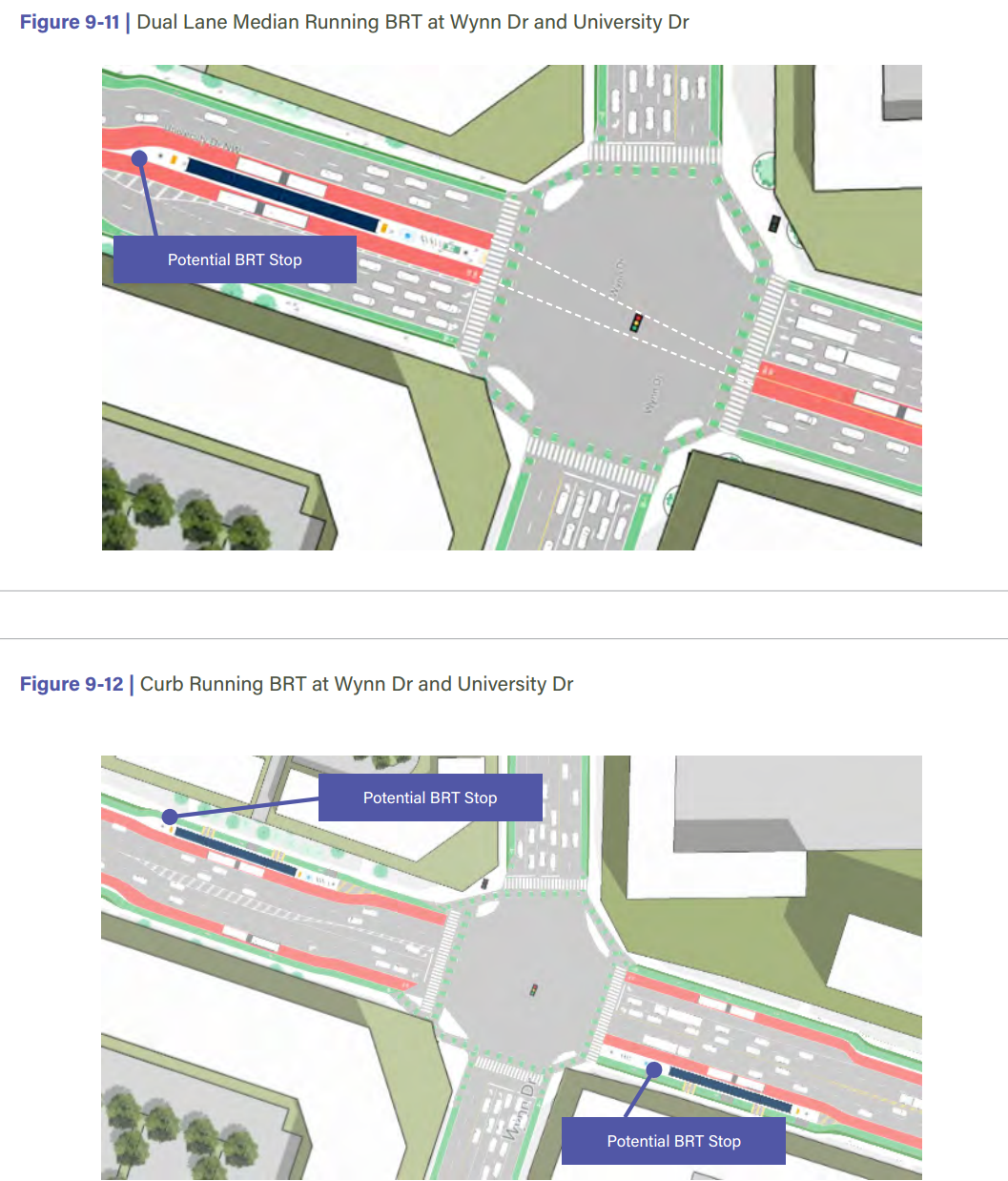
This study laid the groundwork for what potential rapid mass transit would look like in the city. It found the best corridor would be along University, connecting downtown, UAH, Northwoods, Midcity, and Providence. It found that a BRT line would be the best option compared to other transit options such as trams or LRT. It assumed dedicated bus lanes, and compared the pros and cons of center lane vs curb side dedicated bus lanes
Finally, the report suggested the cost to implement would be around $55 million.
A few years later in 2025, $800,000 was secured for a study to further investigate the details of the BRT line and also redevelopment of the Northwoods and midcity areas. And now a year later is where we are today. The public input meeting was this week with a few additional details discussed, with the full report to release in September.
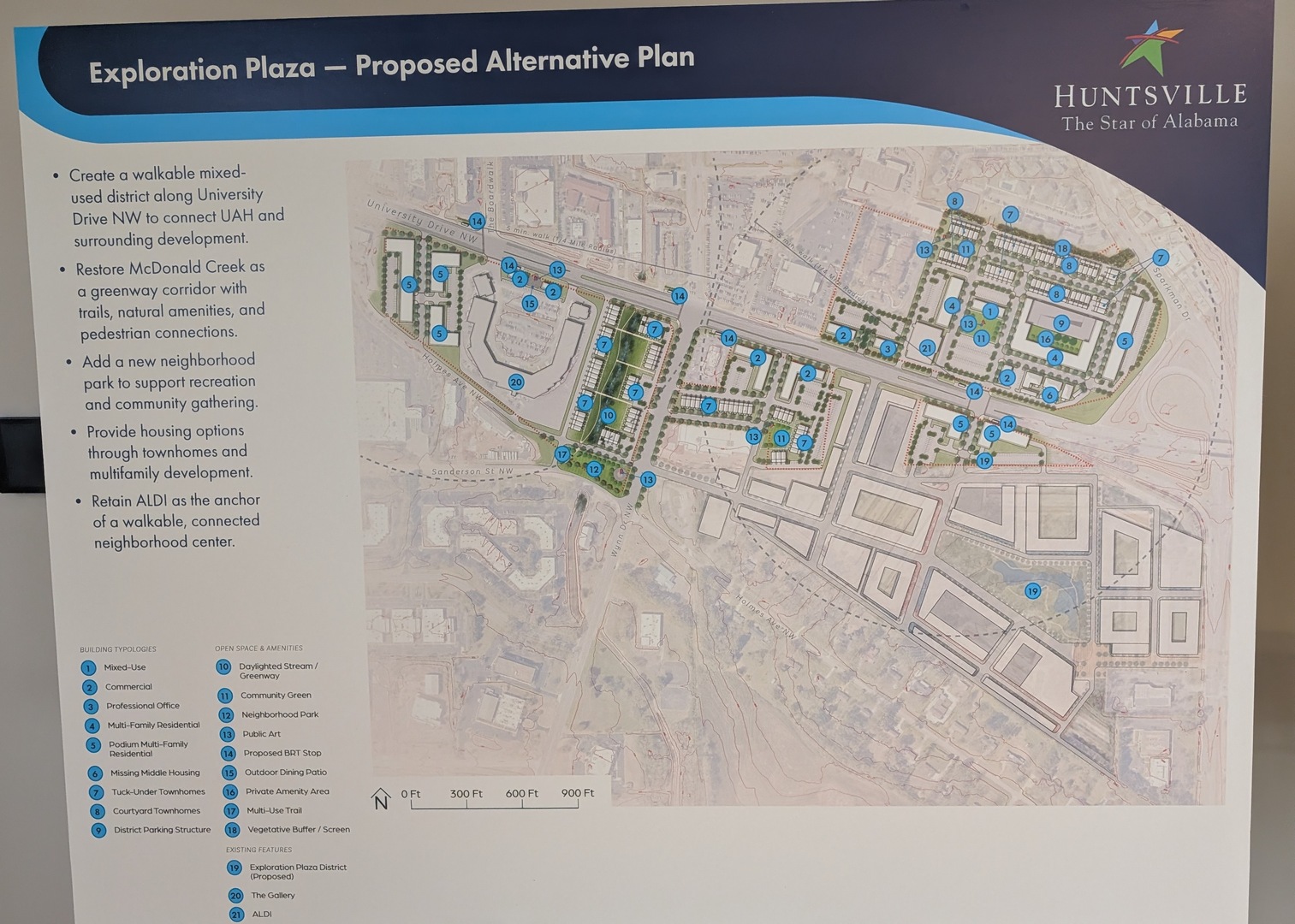
The presentation during the meeting provided very little additional information on the actual BRT line and focused more on the Northwoods and Midcity redevelopments. Everything discussed and shown was little more than just ideas. No timelines or funding sources mentioned at all. The presentation provided little more information than what the 2022 study already found.
Here is what has changed between 2022 and this week’s meeting
- The dedicated bus lane is now no longer being considered. Because simulations show that a dedicated bus lane will not improve car traffic, ALDOT will push against a dedicated bus lane. Instead, signal priority is being planned, which will usually give the bus a green light at intersections to reduce time stopped at intersections.
- BRT stops were mapped out, with each stop being around 1/3rd mile from each other.
- Cost estimates for the BRT was reduced from around $55m to $25m.
- Driver shortages remain one of the biggest barriers in expanding service. Salaries is part of that, which city council controls.
Here are my thoughts
Signal priority is better than literally nothing, but with the long distances between traffic signals, I can’t imagine this has that big of an impact compared to having a dedicated bus lane AND signal priority. The buses will still be slowed down during heavy and slow car traffic, and won’t provide many benefits over driving.
With Huntsville relying almost entirely on federal grants to fund bus and pedestrian infrastructure, and with the Trump administration approving little grant money towards transit projects, and with ALDOT having little to no interest in bus transit, it seems unlikely this BRT project will go anywhere without a large shakeup in the local, state, and federal government. With no funding sources or timelines, its unlikely the project will begin any time soon.
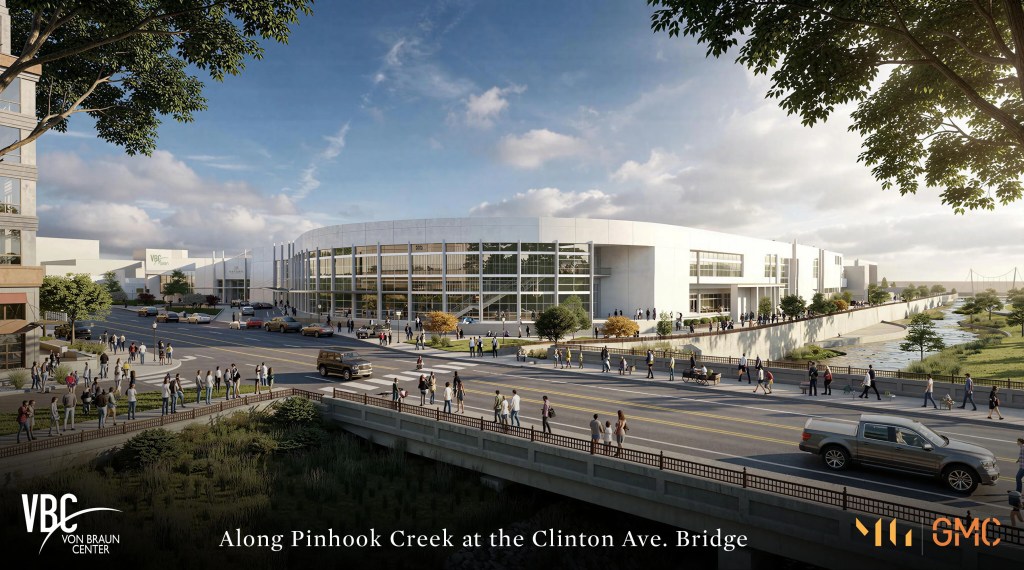
With all the renderings showcasing large surface parking lots and parking garages, the project doesn’t feel like a true transit focused development and instead just feels like more car infrastructure. There was little development that would actually encourage more bus ridership. For people who own a car, these upgrades provide little incentive for people to switch to start riding public transit.
Is this BRT? Or is this just an increase in frequency from 30 to 15 minutes during peak hours? Is this meant to serve everyone, or only those without any other means of travel? Will anyone visiting Huntsville be impressed by this?
Below is a photo from China of a metro station built in the middle of an empty field
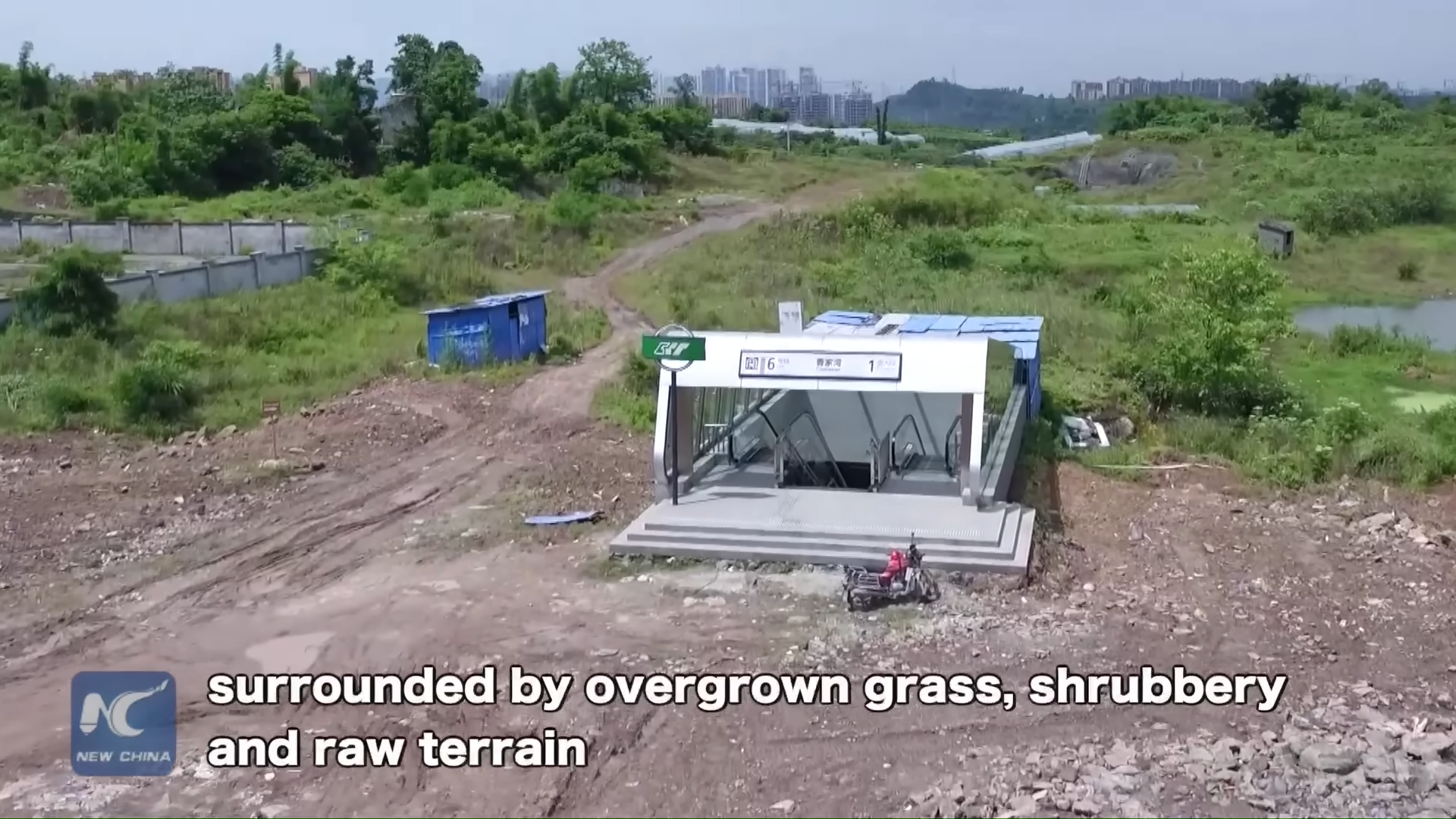
In China and other asian countries, when they are creating a new development, the first thing they do is plan and build the transit lines. In Huntsville (and most other US cities), the transit lines are the last things that cities build.
We build our city around cars and then say we can’t expand bus transit because there is no demand. Demand will not grow when development for transit is an afterthought.
Opportunity is here for transit to be viable. Along the planned BRT route, we have around 30,000 people living within a half mile from the route, and this doesn’t include hotels or the large new apartments and condos finishing construction in downtown and midcity.
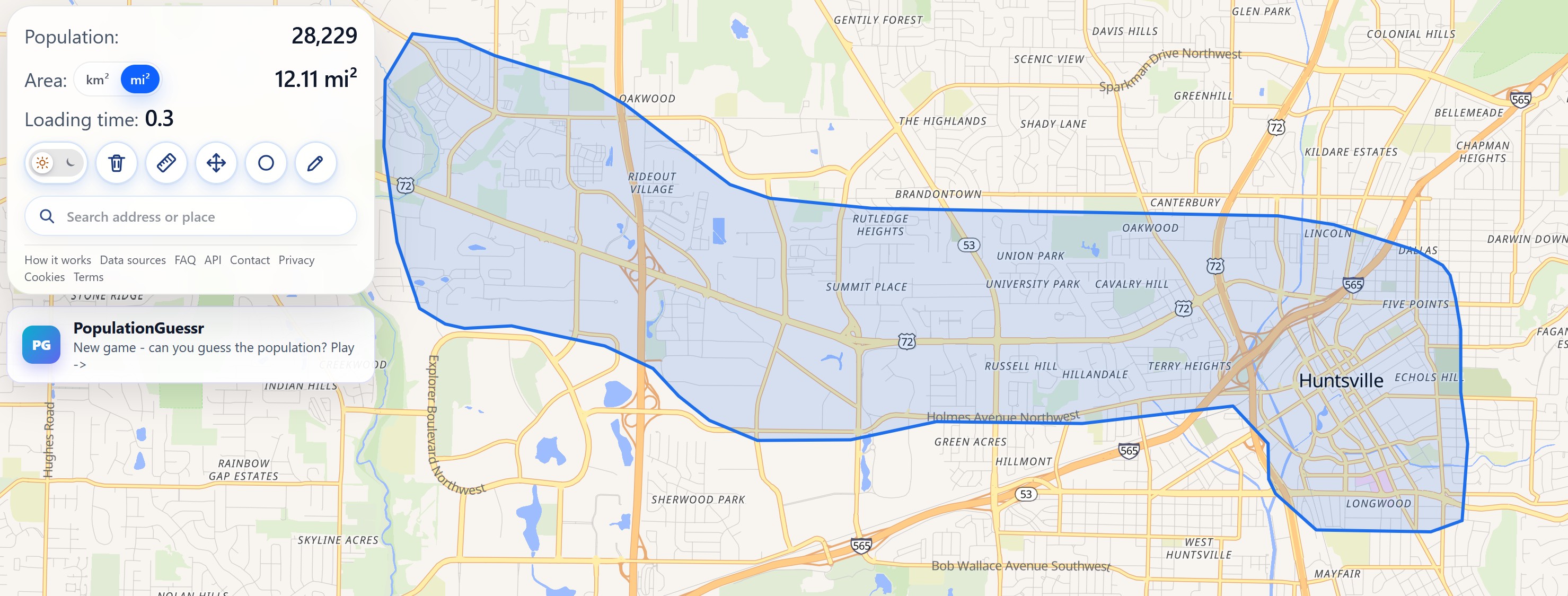
We have 300 towns and cities in Alabama that are completely car dependent.. lets have just one section of one city in Alabama actually be public transit dependent 🙂




Leave a Reply